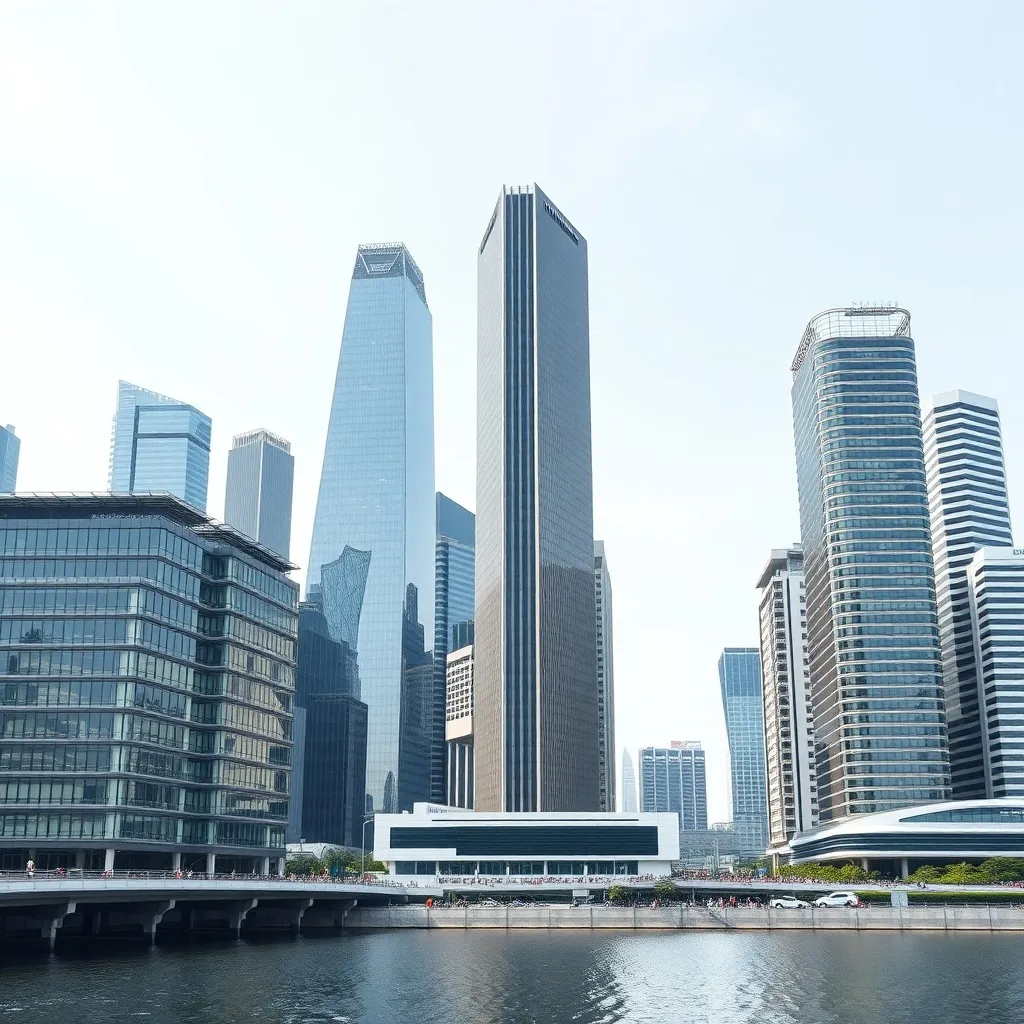
A wide minimalist photo of Singapore central business distri
Institutional Finance

Mortgage &
Property Loans

A technical breakdown of Singapore's lending landscape. Understanding benchmarks, regulatory ratios, and valuation protocols for expatriates and residents.

Floating Rates:
SIBOR vs SORA

The Transition to SORA

Singapore has transitioned from the Singapore Interbank Offered Rate (SIBOR) to the Singapore Overnight Rate Average (SORA). SORA is a volume-weighted average rate of borrowing transactions in the unsecured overnight interbank SGD cash market. Unlike SIBOR, which was based on bank projections, SORA is anchored by actual transaction data, making it more transparent and less volatile.

View Banking Guide

Compounded SORA Metrics

Standard mortgage packages typically use 1-month or 3-month Compounded SORA. The 3-month SORA tends to react more slowly to immediate market fluctuations, providing a smoother repayment schedule for long-term property owners. Most retail banks have ceased new SIBOR-linked loans, mandating a switch for existing borrowers during their next renewal cycle.
Regulatory Lending Constraints

Total Debt Servicing Ratio (TDSR)

The Monetary Authority of Singapore (MAS) enforces a strict TDSR threshold, currently capped at 55% of the borrower's gross monthly income. This calculation includes all debt obligations: car loans, personal loans, and credit card balances. For variable income or commissions, a 30% haircut is applied to the monthly average for calculation purposes.

  • mark-5980 Includes all global debt for expats.
  • Stress-test interest rates usually at 4% or higher.
  • Joint income application allowed for spouses.

Mortgage Servicing Ratio (MSR)

Specific to HDB flats and Executive Condominiums (ECs), the MSR limits monthly mortgage repayments to 30% of gross monthly income. This is a tighter constraint than TDSR and applies regardless of other outstanding debts. Ensuring compliance requires a precise audit of pay slips and CPF contribution histories over the last 6 to 12 months.

Borrowers must also consider the Loan-to-Value (LTV) limits, which typically stand at 75% for the first housing loan. This means a minimum 25% downpayment, of which at least 5% must be in cash.

Property Valuation Workflow

01

Indicative Valuation

Banks provide a preliminary estimate based on recent transacted prices in the same district or project. This is not legally binding but serves as a baseline for the loan offer.

02

Formal Appraisal

A licensed valuer conducts a physical inspection (if required) and a detailed market analysis. The loan amount is always based on the lower of the purchase price or the formal valuation.

03

Legal Verification

Lawyers verify the title deed and ensure there are no encumbrances. For international buyers, this stage often involves remittance verification for funds used in the downpayment.

Lock-in Periods & Refinancing

Most mortgage packages in Singapore come with a "lock-in" period ranging from 1 to 3 years. During this timeframe, borrowers are penalized (typically 1.5% of the outstanding loan amount) if they attempt to repay the loan early or switch to another lender.

Refinancing should ideally be initiated 3 to 4 months before the lock-in period expires. This allows sufficient time for the new bank to process the application and for the legal firm to serve the redemption notice to the current lender. Failure to refinance often results in the interest rate reverting to a significantly higher "board rate."

Technical Note:

Always check for "clawback clauses" where the bank may reclaim legal and valuation subsidies if you refinance too early, even if the lock-in period has technically ended.

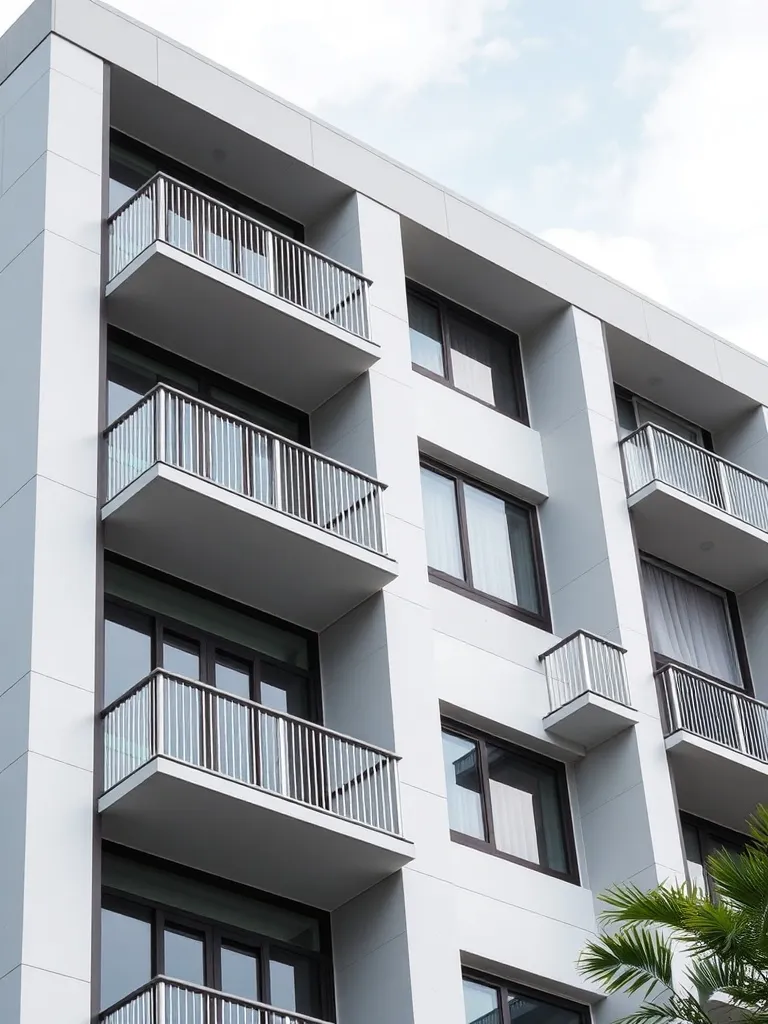
Close up of modern residential building facade in Singapore
Fig 1.1: Modern Residential Development Analysis

Optimize Your
Lending Strategy

Secure your property assets with clarity on benchmarks and regulatory limits. Our guides help you navigate the complexities of the Singaporean credit market.